In the steel industry, standardization is the key to safety and predictability. To ensure that every engineer, architect, and contractor is speaking the same language, the Steel Joist Institute (SJI) established specific classifications for open web steel joists. At COMSA Steel, we manufacture three primary categories: the K-Series, LH-Series, and DLH-Series. Understanding the differences between these series is vital for selecting the most cost-effective and structurally sound solution for your project.
The K-Series open web steel joists are the most commonly used in commercial construction. They are designed primarily for relatively short spans and lighter loads, making them ideal for the roofs and floors of offices, schools, and retail centers.
K-Series joists are highly efficient. Because they are standardized, the lead times for engineering and fabrication are often the shortest, allowing COMSA Steel to move your project from paper to the job site rapidly.
When the architectural design requires larger open spaces—such as gymnasiums or medium-sized warehouses—the LH-Series (Longspan) becomes necessary. These joists are engineered with heavier chord and web members to handle the increased stress of longer distances.
The LH-Series provides a significant jump in load-bearing capacity compared to the K-Series, allowing for wider joist spacing or the support of heavier rooftop equipment.
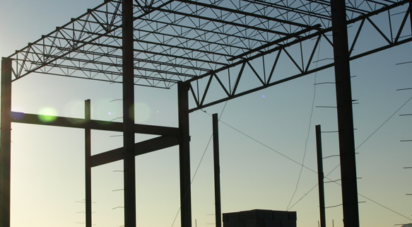
For massive clear spans—think of regional distribution centers, aircraft hangars, or large-scale manufacturing plants—DLH-Series (Deep Longspan) joists are the only choice. These are the heavyweights of the joist world.
Because of their immense size, DLH joists require specialized shipping and handling. At COMSA Steel, we coordinate the logistics of these “oversized” components to ensure they arrive at the site safely and are ready for the specialized erection techniques required for such large members.
Regardless of the series, SJI uses a specific shorthand. For example, a 24K10 means:
At COMSA Steel, we don’t just take orders; we provide engineering consultation. Often, a project might benefit from a mix of series—using K-Series for the office portion of a facility and DLH-Series for the warehouse. By selecting the correct series for each specific zone, we help you optimize the steel weight and overall budget of your build.